Wood as the foundation of a premium instrument
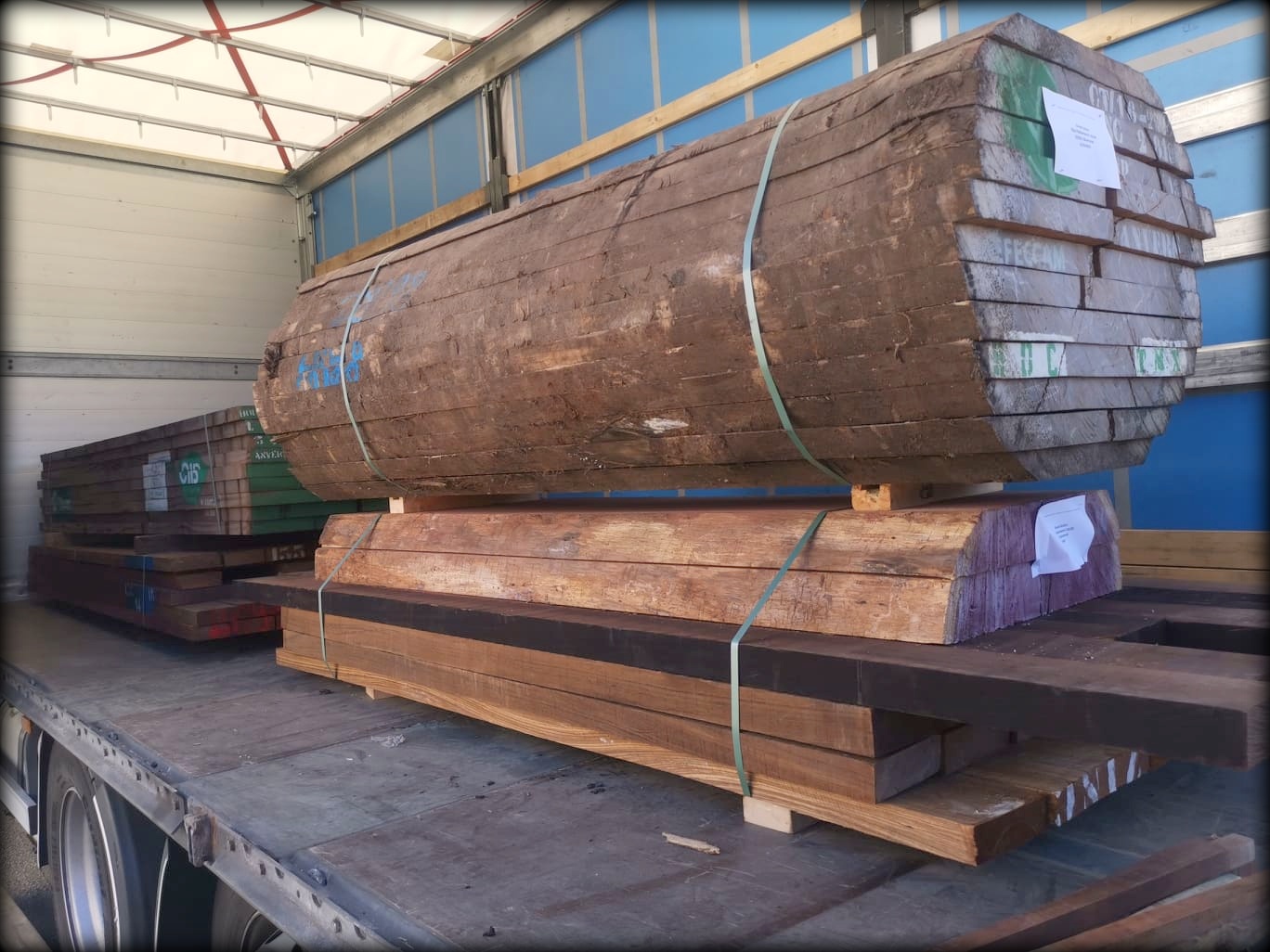
Sound quality in an electric guitar or bass starts with choosing the right tonewood, because its type, density, and grain structure have a major impact on resonance, sustain, weight, and the overall playing feel. We source our materials exclusively from trusted suppliers in Europe, the USA, and South America, and every batch goes through our own selection process, where we strictly evaluate tonal properties, stability, and visual quality. We then process the wood and season it further right in our workshop so we have full control over every detail from start to finish. With premium instruments, we can also prepare, on request, a selection of specific pieces for you to choose from based on unique figuring or weight—because every piece of wood is different, and you decide the character of your future instrument. For bodies, necks, tops, and fingerboards, we rely only on the highest-quality tonewoods that are the global standard in professional instrument building.
We offer these types of wood
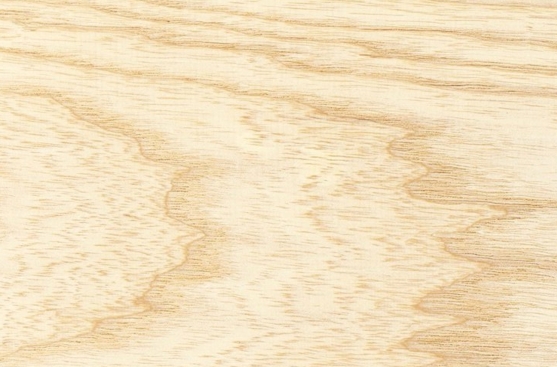
Swamp ash – Fraxinus spp.
- Origin: USA (southern regions, river lowlands)
- Use: Body
Swamp ash from the southern lowlands of the USA is legendary among instrument builders—mainly for its low weight and exceptionally lively resonance. It delivers an open, highly dynamic sound that combines solid, well-defined lows with clearly articulated highs, making it a versatile foundation for both modern and vintage-style setups. Beyond its excellent acoustic properties, it features deep, striking natural figuring that gives the guitar body a premium character and creates a perfect visual contrast when paired with exclusive tops such as flame maple, Buckeye burl, or poplar burl.
African mahogany (Khaya) – Khaya spp.
- Origin: West Africa
- Use: Body, neck
African mahogany is a true staple in the world of electric guitar and bass building, valued especially for its medium density and its ability to produce a naturally full sound. Its defining trait is a warmer tonal character with rich mids and a smooth decay, making it an ideal foundation for energetic genres like rock and blues. Thanks to its mechanical stability, it’s an excellent choice not only for bodies but also for instrument necks, where it provides a solid tonal core and reliable response at any playing dynamic. The result is an instrument with big sonic presence and a musical voice that can faithfully translate even the finest details and nuances of the player’s technique.
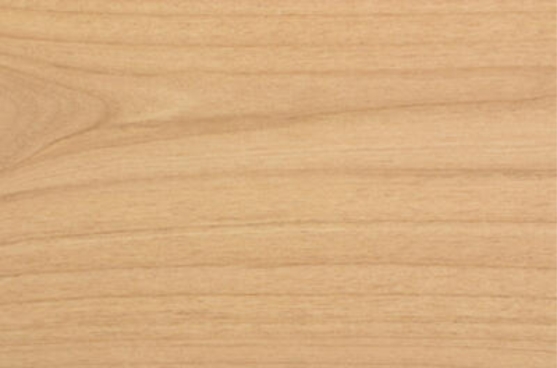
Red alder – Alnus rubra
- Origin: North America
- Use: Body
Red alder is an iconic body wood made famous by the legendary Leo Fender in the 1950s, defining the tonal standard of the first Stratocaster and Telecaster guitars. It features medium density and an exceptionally balanced sound across the entire frequency spectrum, giving the instrument fast response and a natural voice in almost any musical style. Thanks to its excellent clarity and its ability to faithfully reflect the character of the pickups used, it’s a universal and stable foundation for professional builds. These qualities also make it an ideal candidate for body designs that combine time-proven tonal quality with a visually attractive top.
European alder – Alnus glutinosa
- Origin: Europe
- Use: Body
European alder is a moderately light body wood with a naturally balanced tonal character and excellent dynamic stability. It offers fast response with gentle lows, clear mids, and smoother highs, making it a highly versatile foundation for electric guitars and basses. Paired with modern electronics, it reliably delivers tone without unwanted frequencies and preserves the authenticity of your playing across different styles. It’s an ideal choice for players looking for a balanced acoustic base without an overly aggressive attack or excessive instrument weight, while keeping a naturally musical feel.
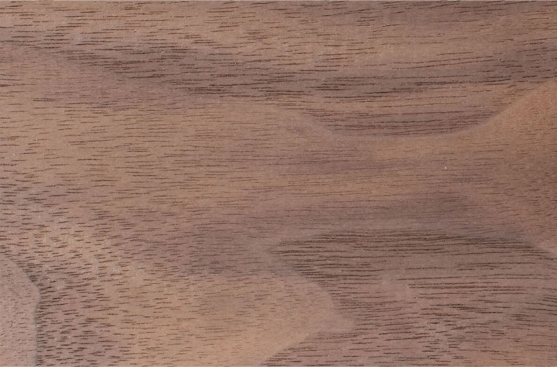
Black walnut – Juglans nigra
- Origin: North America
- Use: Body, neck, and top
Black walnut is an ideal choice for builds that require a precise balance between acoustic performance and visual elegance. With its medium-high density, it offers naturally strong low mids and controlled bass, giving the resulting tone depth and musical refinement without unwanted harshness. Beyond its sound, it stands out for its typically darker, pronounced figuring, which lends the instrument a luxurious character and creates a striking visual contrast when combined with decorative tops. It’s a wood with a distinctive aesthetic that enhances the overall design while ensuring a balanced, articulate voice.
Black limba – Terminalia superba
- Origin: West Africa
- Use: Body and neck
Black limba is a medium-weight tonewood known for its exceptionally balanced tonal character and visual appeal. It offers naturally warmer midrange, pleasant lows, and smoother highs, creating a refined musical voice without unwanted aggressiveness. Thanks to its tonal definition and favorable weight, it’s an excellent alternative to mahogany while maintaining great resonance and clarity. With its unique look and sound, it’s a popular choice for both modern and traditional instrument builds where distinctive character and high aesthetic value are required.
Maple – Hard Maple – Acer saccharum
- Origin: Canada / USA
- Use: Neck
Canadian maple is the worldwide standard for guitar and bass necks, mainly thanks to its exceptional strength, mechanical stability, and ability to hold tuning reliably. The high density of this material contributes to a clear, precise tone with excellent definition—especially appreciated in technically demanding playing or when using lower tunings. It’s an ideal choice for players who want structural confidence, detailed articulation of every note, and a clean sound that stays focused even in a dense band mix.
Flame maple – Acer saccharum
- Origin: Canada / USA
- Use: Neck, fingerboard, top
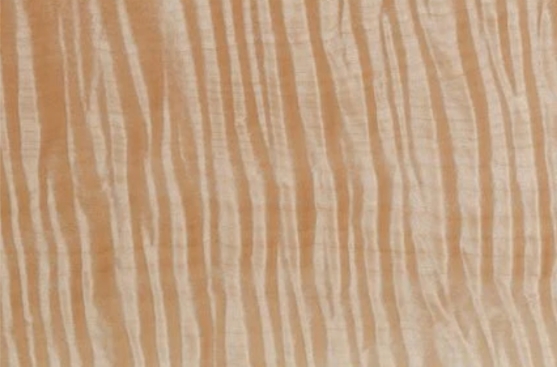
Flame maple belongs to the hard maple category, giving it the high strength and stability needed for neck and fingerboard construction. It stands out from standard types with its pronounced flame figuring, which adds a premium visual character and creates a deep, almost three-dimensional effect under transparent finishes. This material combines reliable tone with bright highs and clean response, and its high aesthetic value makes it especially suited to exclusive, showcase instrument models.
Birdseye maple – Acer saccharum
- Origin: Canada
- Use: Neck, fingerboard, top
Birdseye maple is a hard maple known for the strength and stability that are key for neck and fingerboard construction. Its most distinctive feature is the unique figuring formed by small “eyes,” giving each piece an unmistakable, exclusive look. Tonally, it retains a bright, precise sound with strong high-end response, which is especially important for technically focused players and dynamic tone work. It’s a sought-after material for premium instruments where uncompromising functionality meets exceptional aesthetics that highlight the uniqueness of the entire instrument.
Roasted maple – Acer saccharum – Torrefied
- Origin: Canada
- Use: Neck
Roasted maple is based on classic hard maple that undergoes a special heat-treatment process known as torrefaction. This significantly increases the wood’s dimensional stability and resistance to temperature and humidity changes, while also slightly reducing overall weight. In practice, this means a neck or fingerboard that holds its setup reliably even with frequent travel, climate changes, or lower tunings. Tonally, roasted maple offers a slightly smoother, more “mature” character with pleasantly refined highs, giving the instrument a balanced, natural voice ideal for modern playing styles.
Quilted maple – Acer saccharum
- Origin: Canada / USA (Pacific regions)
- Use: Top
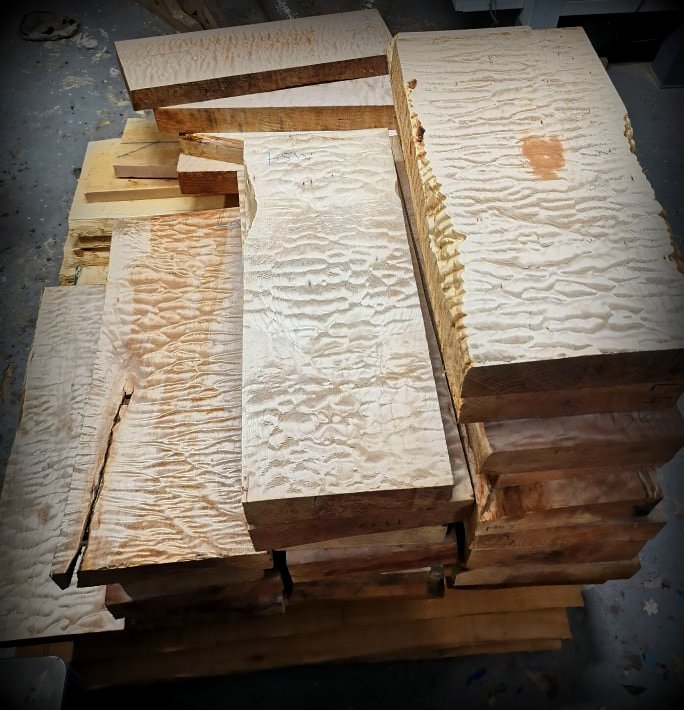
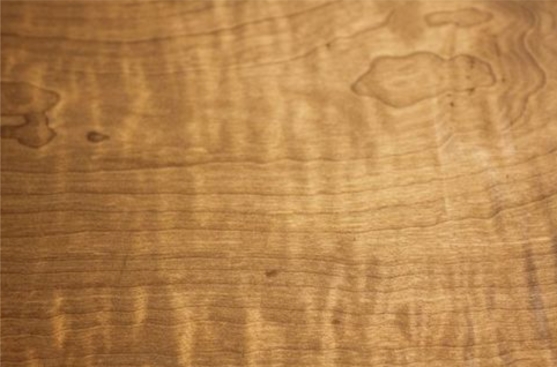
Quilted maple is a hard maple known for its unique, deep figuring that creates a wave-like effect reminiscent of a choppy sea surface. Tonally, it retains a bright, precise sound with a quick attack, but its main strength is its exceptional visual exclusivity. As a top, it’s one of the most sought-after choices for custom builds where design plays a key role. Under a transparent finish, it gives the instrument a showcase look and highlights the attention to detail and craftsmanship of the entire build.
Spalted maple – Acer spp.
- Origin: North America / Europe
- Use: Top
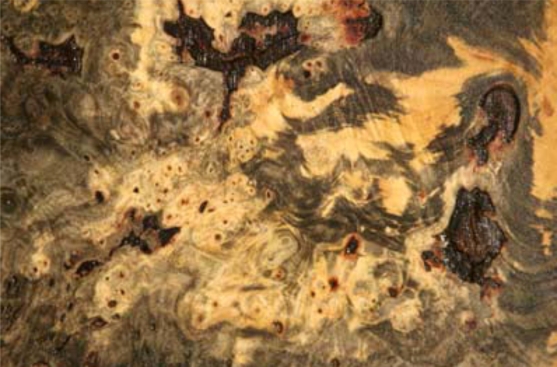
Spalted maple is a unique material with bold organic figuring created by a natural process in the wood and professionally stabilized to ensure long-term durability. Tonally, it keeps a brighter character and lets the tonal qualities of the main body shine through, which is why it’s used primarily as a visually dominant top. Since nature creates completely original patterns and lines in every piece, it’s an ideal choice for instruments with unmistakable design where the goal is absolute visual uniqueness.
Bubinga – Guibourtia spp.
- Origin: Africa
- Use: Top, fingerboard, neck
Bubinga is an extremely hard, dense wood known for strong tonal body, long sustain, and very precise response. Thanks to its high density, it gives the instrument a firm, focused sound that stays clear even in demanding arrangements. Visually, it stands out with rich color and contrasting figuring that looks luxurious and gives each piece a unique identity. It’s used as a premium top, fingerboard, or as part of multi-laminate necks in instruments where an uncompromising blend of powerful acoustic properties and bold design character is required.
Buckeye burl – Aesculus californica
- Origin: Western USA
- Use: Top
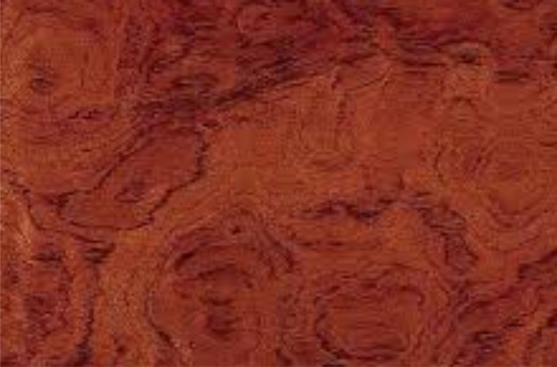
Buckeye burl is an exceptionally light material with fascinating color contrasts and irregular figuring that looks like a unique piece of natural artwork. Due to its lower density, it has only minimal impact on the instrument’s final tone, which makes it suited almost exclusively for use as an aesthetically dominant top. Every piece is a one-of-a-kind original that gives a guitar or bass the visual character typical of the most exclusive custom shop instruments.
Poplar burl – Populus spp.
- Origin: Worldwide (mainly Europe)
- Use: Top
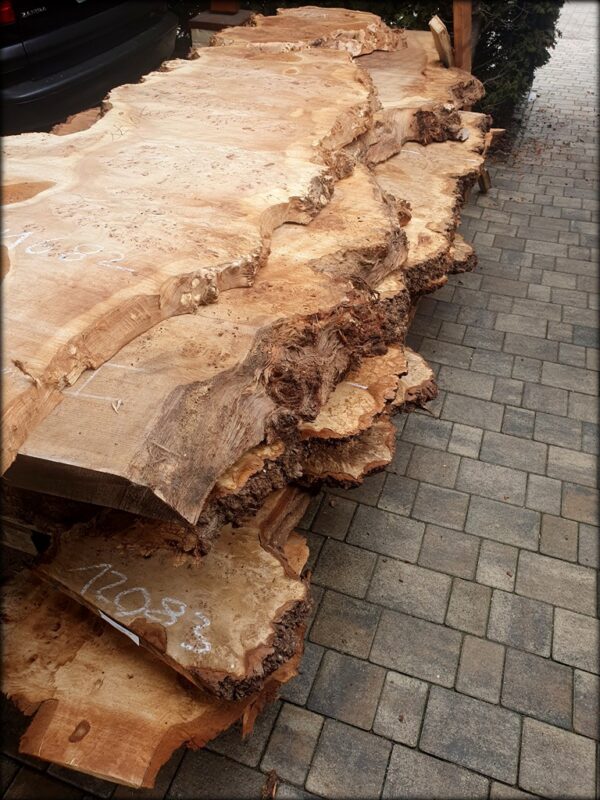
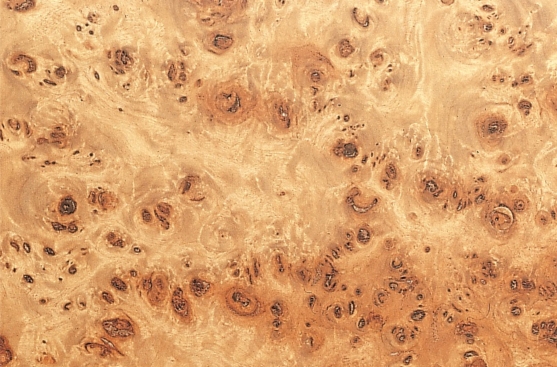
Poplar burl features extremely bold, irregular figuring with typical “map-like structures” and contrasting color transitions. Since it has only a subtle tonal influence on the overall acoustics, it’s used primarily as an aesthetically dominant top. This lets you complement the tonal character of the core body without significantly changing its natural response. It’s a popular choice for instruments meant to impress at first sight—whether on stage in a dynamic environment or as a showcase piece from precise custom craftsmanship.
African ebony – Diospyros crassiflora
- Origin: Africa
- Use: Fingerboard
African ebony is among the most valuable and hardest tonewoods in the world, sought after for its extreme density and unmistakable visual character. Tonally, it brings brilliant clarity, immediate attack, and very clearly defined highs, giving the instrument natural bite and precision. Thanks to its fine, almost poreless surface and deep dark color, it offers maximum playing comfort and a sense of luxury. It’s a top-tier choice for fingerboards on premium guitars and basses where uncompromising mechanical durability, tonal stability, and an elegant modern look are required.
Macassar ebony – Diospyros celebica
- Origin: Southeast Asia (Indonesia)
- Use: Fingerboard
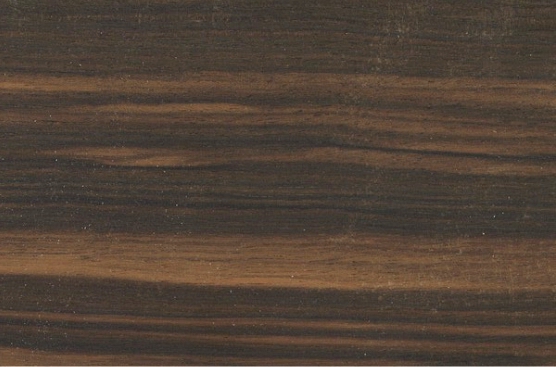
Macassar ebony is one of the most visually striking woods used in instrument building. Unlike pure black African ebony, it features dramatic, contrasting figuring with chocolate-brown to orange streaks, making every fingerboard an original work of art. Tonally, it offers extreme density and hardness, resulting in a bright, ringing tone with excellent attack and rich harmonics. It’s a wood that combines the best of both worlds—uncompromising clarity and exclusive aesthetics that stand out on both modern and traditional top-class instruments.
Rosewood – Indian Rosewood – Dalbergia latifolia / Dalbergia nigra
- Origin: India / Brazil
- Use: Fingerboard
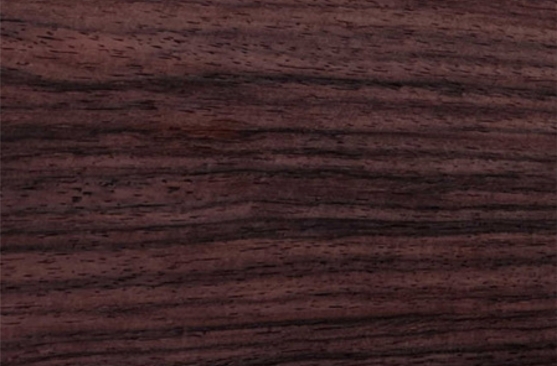
Rosewood is a world-famous fingerboard material that, compared to ebony, offers a naturally warmer tone with fuller lows and softer, more musical highs. This character delivers a pleasant, balanced sound across the entire frequency spectrum. Thanks to its natural oiliness, it feels smooth under the fingers and naturally tames unwanted harsh frequencies, making it an ideal choice for players looking for an organic sound without unnecessary aggressiveness. It’s an absolute classic in genres like rock, blues, and jazz, where it supports playing comfort and brings deep tonal response.
Ovangkol – Guibourtia arnoldiana
- Origin: West Africa
- Use: Fingerboard, neck, and body
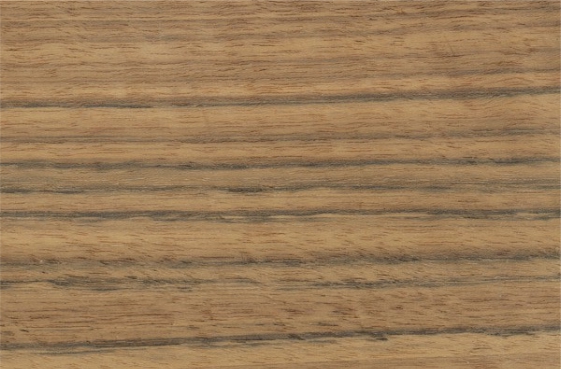
Ovangkol is a versatile tonewood that combines the best qualities of rosewood and mahogany. It offers full, rich lows and warmer mids, but unlike rosewood it has a stronger response in the higher frequencies, giving the tone more clarity and brilliance. Visually, it stands out with varied figuring in shades of brown with gray or black streaks that feel very organic and elegant. Thanks to its strength and balanced frequency spectrum, it’s an ideal choice for fingerboards, necks, and even full bodies where a complex tone with good dynamics is required.
Padauk – Pterocarpus soyauxii
- Origin: Africa
- Use: Fingerboard
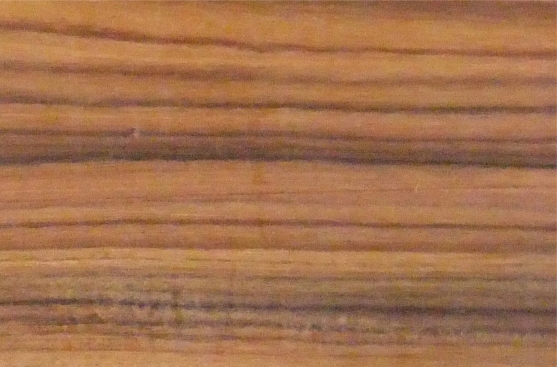
Padauk is a hard, dense tonewood known for a bright, cutting tone and exceptionally fast response, ensuring excellent definition even in technically demanding modern playing. Its sound is defined by clean, solid highs, while the overall character remains naturally smooth and refined without unwanted harshness. Visually, it’s impossible to miss—when fresh, it has a rich red-orange color that matures over time into an elegant brown shade with a subtle patina. It’s an ideal choice for players who want precise articulation of every note, dynamic reaction to attack, and a bold aesthetic element for the fingerboard or neck.
Pau Ferro – Machaerium spp.
- Origin: South America
- Use: Fingerboard
Pau Ferro is the ideal middle ground between ebony and rosewood. It offers a brighter, more precise sound than rosewood, while still keeping a pleasant, smooth feel under the fingers without unwanted high-frequency aggressiveness. Thanks to its higher density and fine texture, it provides excellent stability and fast response to playing dynamics. It’s a reliable, balanced choice for players looking for a modern sound, clear articulation, and natural comfort without extreme swings in hardness or tonal character.
Wenge – Millettia laurentii
- Origin: Central Africa
- Use: Fingerboard, neck
Wenge is an extremely hard, heavy wood with a coarser, open texture, famous for its distinctive “growl” in the low mids. Tonally, it offers very strong attack, long sustain, and powerful lows that remain focused and articulate even with more aggressive playing technique. Visually, it’s unmistakable thanks to its dark brown to black color with fine, dense streaks that give the instrument a raw yet very luxurious industrial look. It’s the first choice for players looking for a thick, forward sound and a fingerboard with high mechanical durability that can handle the most demanding playing.
Purpleheart – Peltogyne spp.
- Origin: Central and South America
- Use: Fingerboard, neck
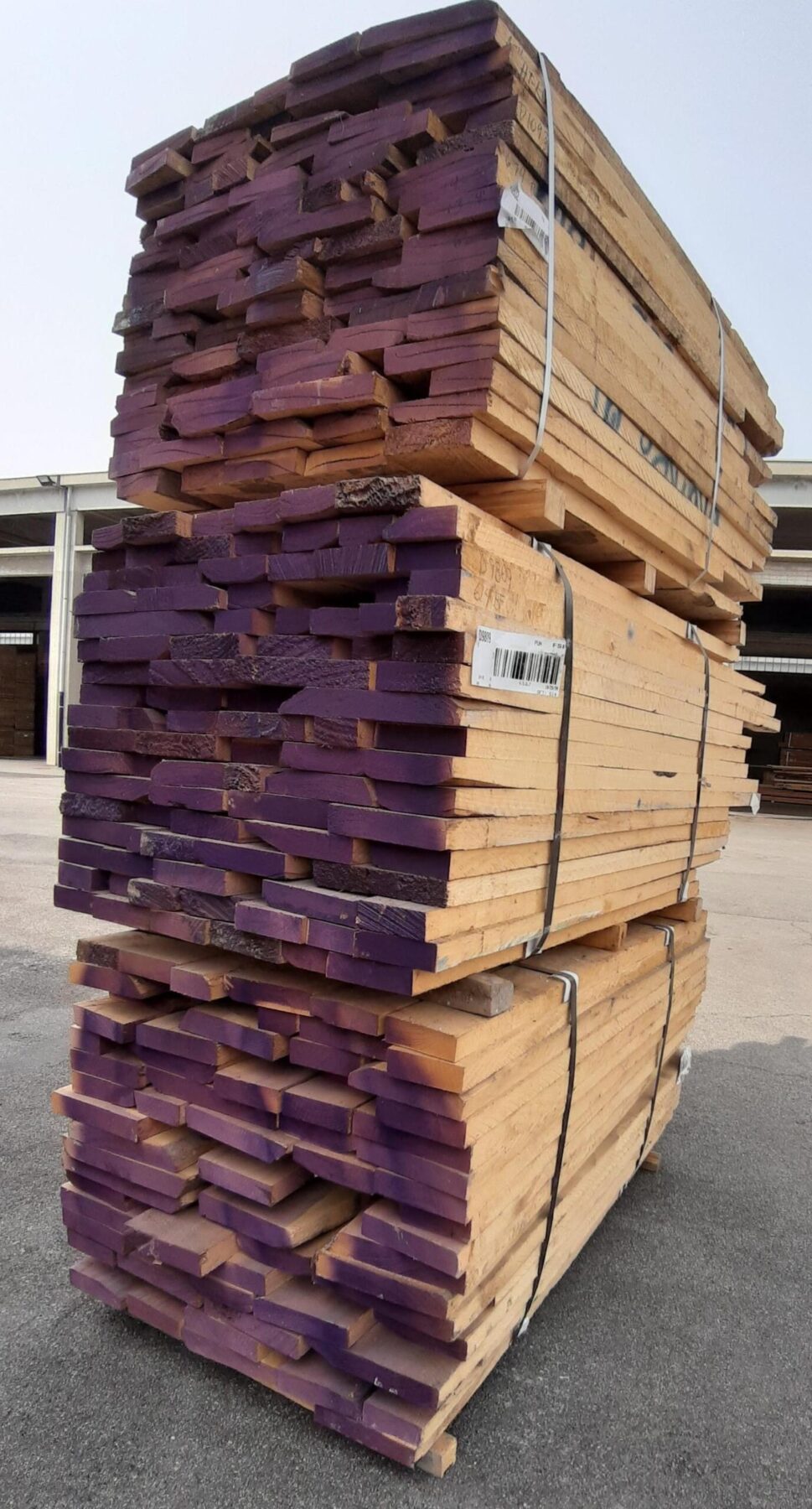
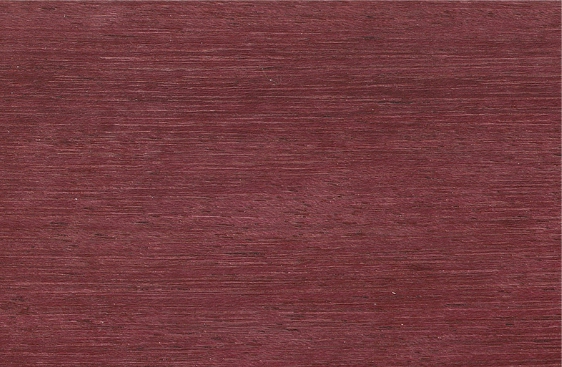
Purpleheart is a fascinating exotic wood that immediately draws attention with its natural, deep purple color, which develops after being exposed to air. It’s among the densest and stiffest materials, which in practice means excellent stability and long sustain. Tonally, purpleheart is very bright and focused, with fast response that’s comparable to ebony in many ways, but with a slightly fuller body in the low mids. Thanks to its extreme durability and unique look, it’s an ideal choice for fingerboards or as a structural element in multi-laminate necks, adding not only the necessary strength but also an unmistakable aesthetic accent.